Last Friday was one of the most unproductive days for some time. The young Swallows I have been photographing had moved to fencing which was inaccessible and the four young Jays in my garden seem to spend more time chasing each other around than posing for the camera, I'll be doing some posts on these two projects soon.
So having not really taken many shots I decided to end the sunny day at my local RSPB reserve, I sat in the hide for over an hour without even seeing anything worth pointing the camera at. Giving up I headed back to the car, on the way I unexpectedly spotted two Lizards basking in the evening sun, I thought they would disappear when they saw me, but having got a few record shots I was then able to change the lens and move in for some close-ups. I had never photographed Lizards before so this was quite a good end to an otherwise rubbish day.
Monday, 26 July 2010
Tuesday, 20 July 2010
Dippers
One of the main problems with photographing Dippers is that their habitat along rivers is usually very shaded by trees, so ideally you need as much sunlight as possible, even then it is quite a challenge to get the exposure right, with their dark brown backs and white breasts.
I had hoped to get shots of the newly fledged youngsters being fed by their parents on the river, but thanks to the typical British weather I only managed to photograph the adults collecting grubs for the chicks in the nest, then after several cloudy days I returned to find there wasn't a Dipper to be seen. I tried another location and found that the young birds there were very independent and feeding on their own. I am pleased with the results though and hope for better weather next year.
Tuesday, 13 July 2010
Common Terns
A few trips to the local tern colony has been quite productive, although the shots I have been trying for haven't quite worked out for me yet, these being of the birds drinking as they skim across the water. I have managed to get a few but they aren't really up to scratch... must keep trying.
Labels:
Common Tern,
Flying,
In Flight
Saturday, 3 July 2010
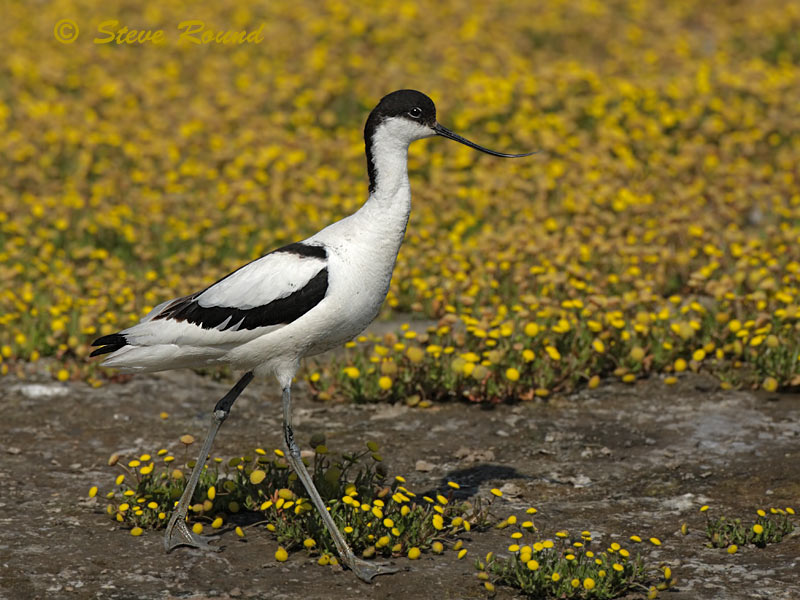
Avocets
I have made few trips to photograph Avocets recently. I had some specific shots in mind that I wanted, the first being of the young feeding, which worked out quite well. The other was some nice portrait shots of an adult with a reflection, this didn't go quite to plan, as is usually the case, typically when the chance came to get something near, the only cloud in the sky went in front of the sun!
It amuses me that the adults attack any other birds that come near, no matter how large they are, such as Geese and Herons, I have even seen them chase a Hen Harrier away. It seems that they become so obsessed with this defensive behaviour that they actually forget about their independent but vulnerable chicks which have wandered off to feed, sometimes up to 20 or 30m away from the parents.
Thursday, 24 June 2010
Young Birds
My feeding stations become very busy at this time of year, mainly with newly fledged youngsters. The adults keep a low profile as they start to moult and aren't very photogenic anyway, with missing and worn feathers from their hard work over the last few months.
They seem to have done well this year with plenty of young Blue, Great and Coal Tits eating their way through peanuts, fatballs and sunflower hearts at a great rate of knots. The Long-tailed Tit flocks pass through regularly but haven't shown any interest in the feeders this year, not as yet anyway.
A single Great-spotted Woodpecker offspring has been attending for a couple of weeks now, and although I set up various branches and logs for it to land on, it tends to go straight on to the feeder, a bit frustrating and now it's losing it's red cap, another week or so and it will look like an adult.
Blue Tit
Coal Tit
Great Tit
Great-spotted Woodpecker
They seem to have done well this year with plenty of young Blue, Great and Coal Tits eating their way through peanuts, fatballs and sunflower hearts at a great rate of knots. The Long-tailed Tit flocks pass through regularly but haven't shown any interest in the feeders this year, not as yet anyway.
A single Great-spotted Woodpecker offspring has been attending for a couple of weeks now, and although I set up various branches and logs for it to land on, it tends to go straight on to the feeder, a bit frustrating and now it's losing it's red cap, another week or so and it will look like an adult.
Blue Tit
Coal Tit
Great Tit
Great-spotted Woodpecker
Labels:
Blue Tit,
Coal Tit,
Great Tit,
Great-spotted Woodpecker,
Juvenile
Monday, 14 June 2010
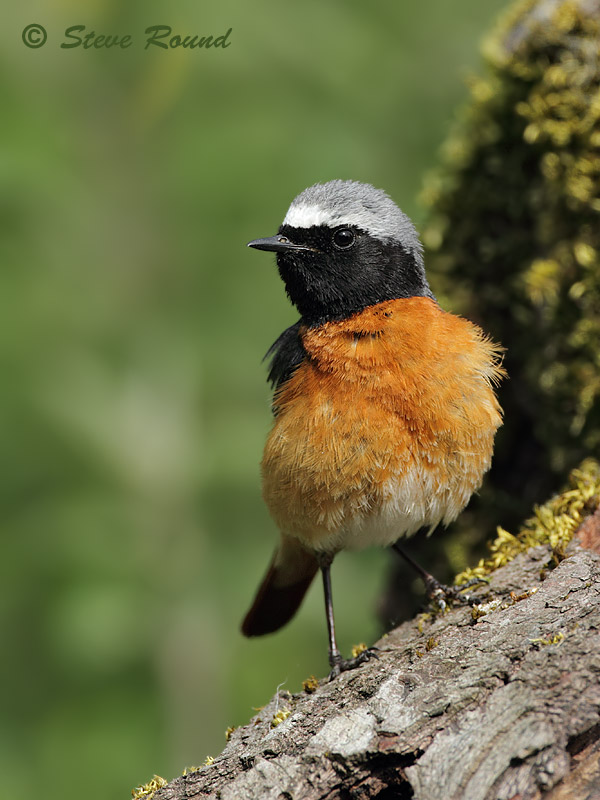
Redstarts
The Redstart is one of those species I find that I have to photograph every year, even though I have many hundreds of images of them, it's almost like an addiction. The Welsh woodlands are full of them at this time of year and so I spend quite a bit of time over there. The pair I photograph seem to have bred a little earlier than usual this year and the young had fledged at the beginning of June. I was hoping to get shots of the adults feeding the young away from the nest, but last weeks weather put paid to that, hopefully they won't have become too independent when I go back this week.
I'll probably do another post in a few weeks if all goes well, for now here's some of this years shots, starting of with a few of the the star of the show - the male, one of the female and then a young chick.
Thursday, 10 June 2010
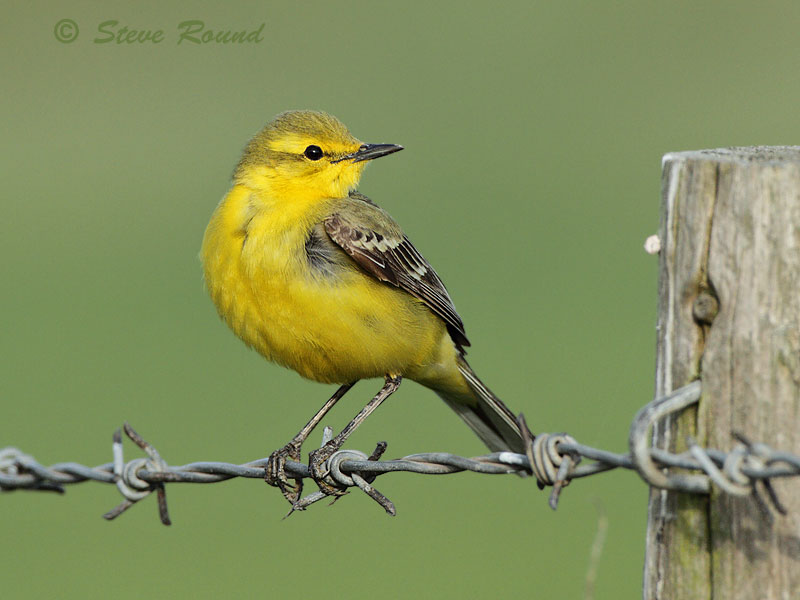
Bright and Beautiful
The male Yellow Wagtail is one of the most, if not the most, vivid and colourful birds in the UK, the female is also a very striking bird but lacks the yellow head. I always enjoy my annual Spring visits to try and photograph them, even though they are quite elusive. You can hear them calling from the fields but the vegetation keeps them well hidden. After several trips and many hours I managed to get some reasonable shots:
Labels:
Yellow Wagtail
Subscribe to:
Posts (Atom)